Site auditor services for a unique energy infrastructure
Energy
Overview
The former Brompton Gasworks is one of Adelaide's most significant contaminated sites with a rich heritage past. The site was home to coal gas production from 1861 until decommissioning in the mid-20th century, leaving behind a substantial legacy of gasworks contamination.
Senversa was first engaged on the project in 2015 by Renewal SA as the site owner, providing environmental assessment and planning services over nearly a decade.
Following the transfer of the site to MAB Corporation, Senversa was engaged in 2023 to deliver a site-specific risk assessment (SSRA), remediation options assessment (ROA), Site Remediation Plan (SRP) and remediation validation services. The project represents one of the most technically complex brownfield remediations undertaken in South Australia.
Challenge
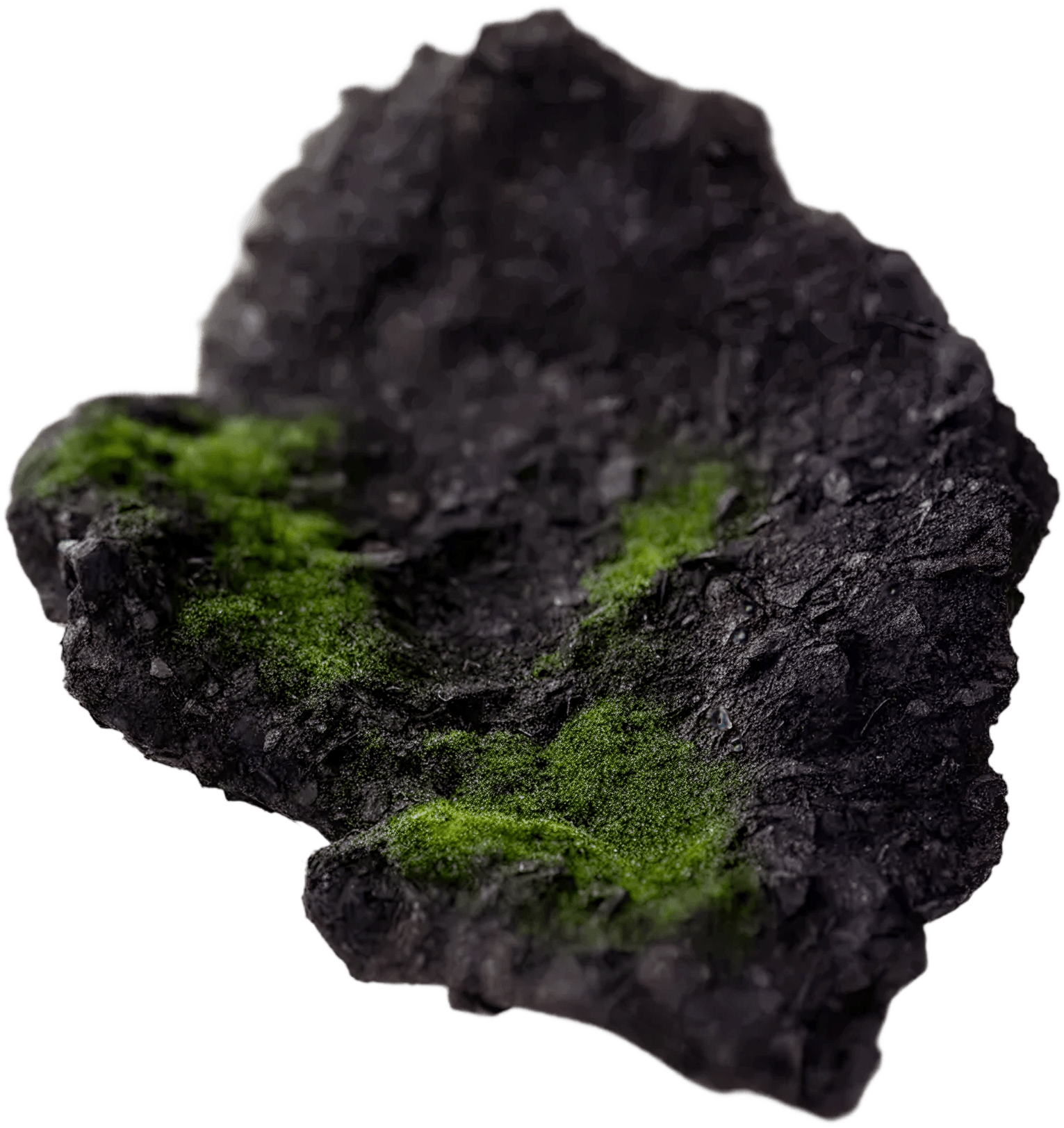
The site's long industrial history as a coal gasworks left it severely impacted by a suite of contamination byproducts, including coal tar as non-aqueous phase liquid (NAPL), polycyclic aromatic hydrocarbons (PAHs), cyanide compounds, phenols, BTEX and heavy metals -- with an estimated 120,000 tonnes of gasworks waste fill present across the site. Primary gasworks infrastructure including gasholders, tar wells and tar tanks had concentrated contamination at depth, while the broader site footprint contained general contaminated fill presenting elevated contamination across human health, ecological and vapour intrusion pathways.
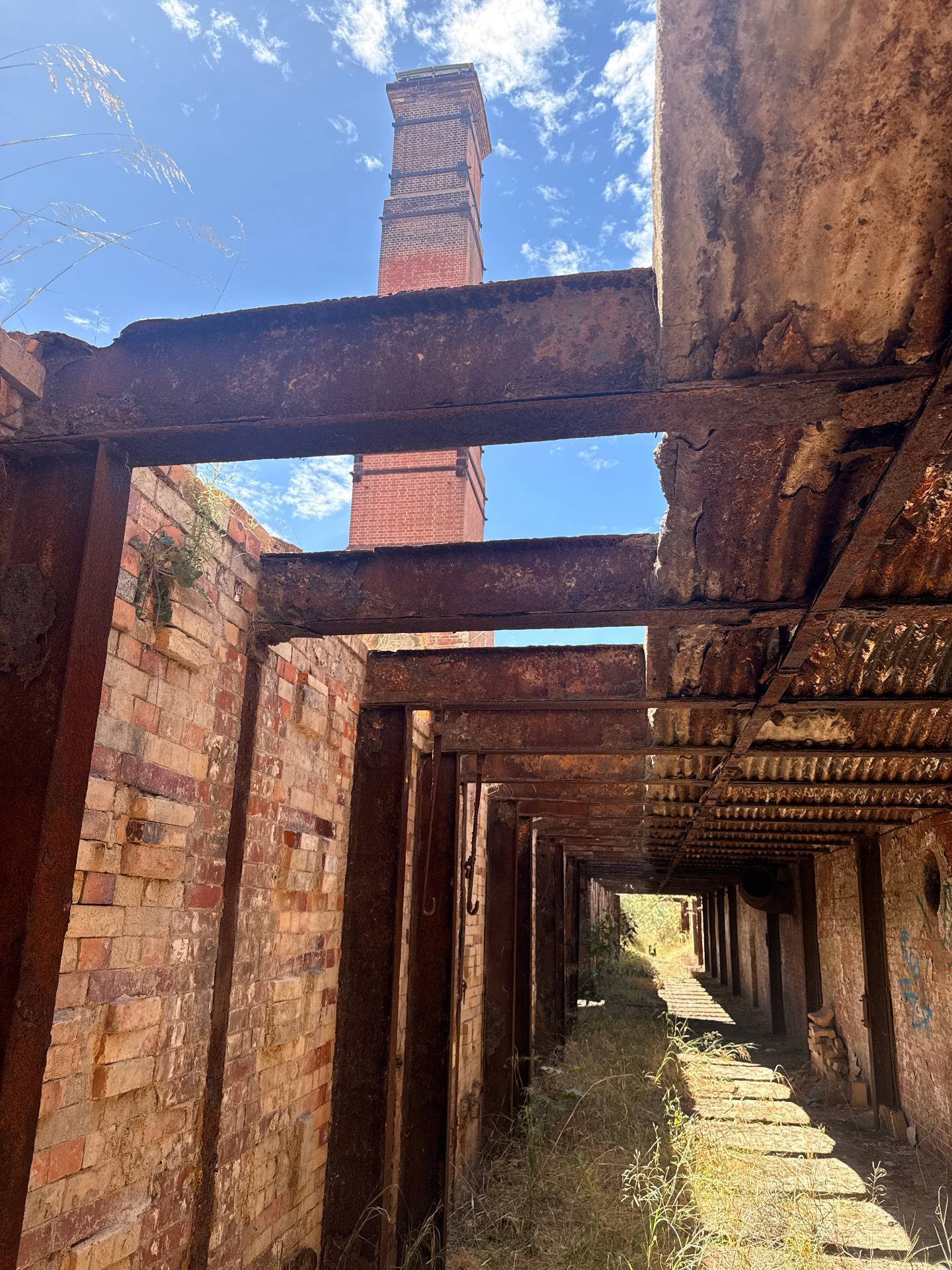
The remediation strategy required Senversa to design an approach capable of managing the full spectrum of contamination while protecting an array of State Heritage-listed structures, including Retort Houses, the Purifying House, the Smith Shop and Laboratory, and a network of subsurface heritage tunnels. A defensible, auditable remediation framework was essential, given the project operates under a formal site contamination audit commissioned under South Australia's Environment Protection Act 1993.

Outcome
Senversa provided continuous on-site oversight throughout the remediation works, conducting daily inspections, systematic excavation validation and stockpile classification across every remediation area. Gross tar-impacted material was excavated from the upper 3 m of the soil profile and transported off-site for either thermal treatment or disposal at a licensed landfill, while minor tar-impacted soils were stabilised in place using powdered activated carbon (PAC) - an approach that significantly reduced off-site disposal volumes and associated costs compared to a full-excavation and disposal strategy.
Across the remainder of the site, contaminated and uncontaminated soils were characterised, re-used beneath a clean cover layer of virgin quarry soils or site-won natural clays, and validated against stringent land-use criteria. The remediation validation program spanned an extensive number of individual report deliverables representing years of sustained field effort, laboratory analysis, documentation and auditor engagement, and is now in the final stages of third-party independent audit review.
Impact
The development will accommodate approximately 2,000 new residents, with 15% of housing designated as affordable. The adaptive reuse of heritage buildings including the Retort House, Purifying House and the iconic Chief Street wall will ensure the site's 160-year industrial legacy is woven into the fabric of the new community. Senversa's decade-long engagement demonstrates that rigorous, evidence-based contaminated land practice can unlock South Australia's most complex brownfield sites and deliver lasting community, environmental and economic value.
The Team
Senior Associate Environmental Scientist
Senior Principal