Overview
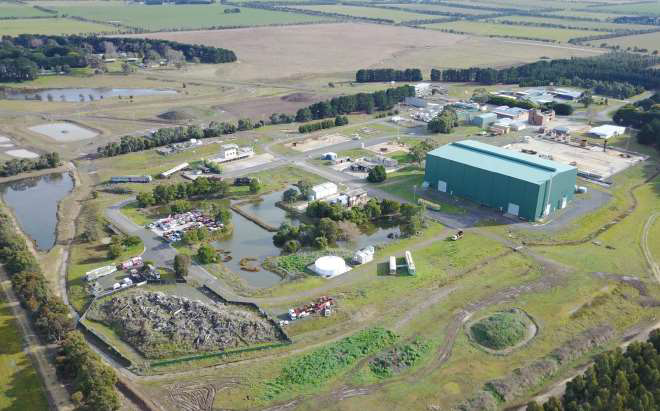
Senversa supported CFA in the decontamination of the 150ha Former CFA Fiskville Training College. From 2014 Senversa has been addressing widespread PFAS contamination in soil, sediment, surface water, and groundwater. The site, previously Victoria’s largest firefighter training facility, was closed in 2015 to enable remediation of legacy impacts associated with historical firefighting foam use.
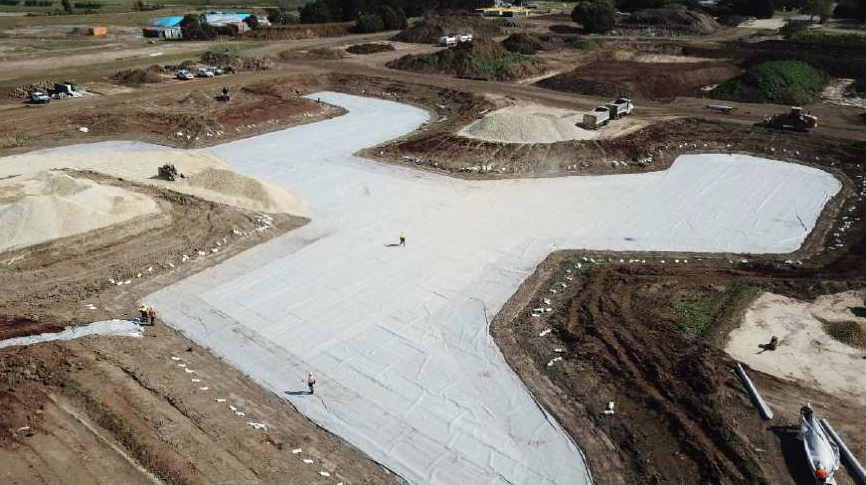
The adopted remediation strategy focused on hydraulically isolating the central training grounds from the surrounding environment and consolidating impacted materials within a 10 ha In-situ Soil Management Area (ISSMA). This involved large-scale earthworks, water body removal, and the installation of a robust geosynthetic capping system (deployed in part due to the lack of locally available clay-rich soils). Senversa provided end-to-end services including remediation strategy development, regulatory approvals, preparation of technical specifications, contractor procurement support, and construction-phase design, supervision, and validation. Risk assessment inputs ensured the final site condition met regulatory requirements for suitability of use.