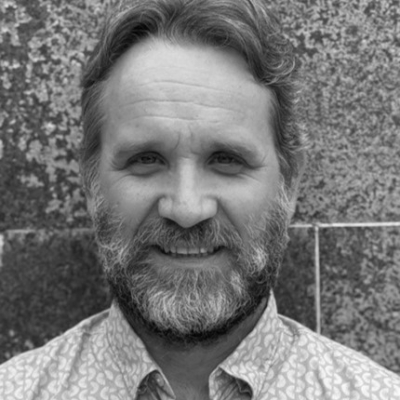
Michele is an Environmental Engineer with over two decades of international experience in Australia and Europe, specialising in contaminated sites investigation, risk assessment, and remediation across various sectors including Waste, Oil and Gas (both upstream and downstream), Infrastructure, Manufacturing, Power, and Land Development. He has successfully coordinated the design and implementation stages of numerous multidisciplinary projects and has served as the technical lead for the environmental aspects of several landfill rehabilitation projects.
In his capacity as technical lead, Michele was accountable for the technical quality of the projects delivered by his team. His responsibilities included ensuring compliance with guidelines and regulations, reviewing data analysis, quality, and interpretation, and confirming that the project outcomes aligned with the proposed scope.
As a Principal, Michele has made significant contributions to business development by maintaining regular contact with clients, identifying opportunities, and preparing tenders/proposals. An integral part of his role also involves the development and mentorship of junior staff.
Michele is recognised as a Suitably Qualified Person (SQP) for the assessment of contaminated sites in Queensland and has a proven track record of approvals from various Contaminated Land Auditors and the Department of Environment and Science. Over the past 11 years in Australia, he has acquired an in-depth understanding of the State and Commonwealth Environmental and Waste regulations and their application.
Throughout his professional journey, Michele has enjoyed his involvement in transactional due diligence and insurance claim projects, engaging with diverse stakeholders such as lawyers, finance auditors, commercial managers, and insurers. These experiences have honed his skills in managing stakeholder expectations and ensuring project deliverables meet the specific needs of clients and the objectives of the projects.
QLD
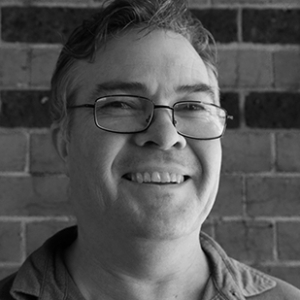
Michele Stella
Principal Environmental Engineer