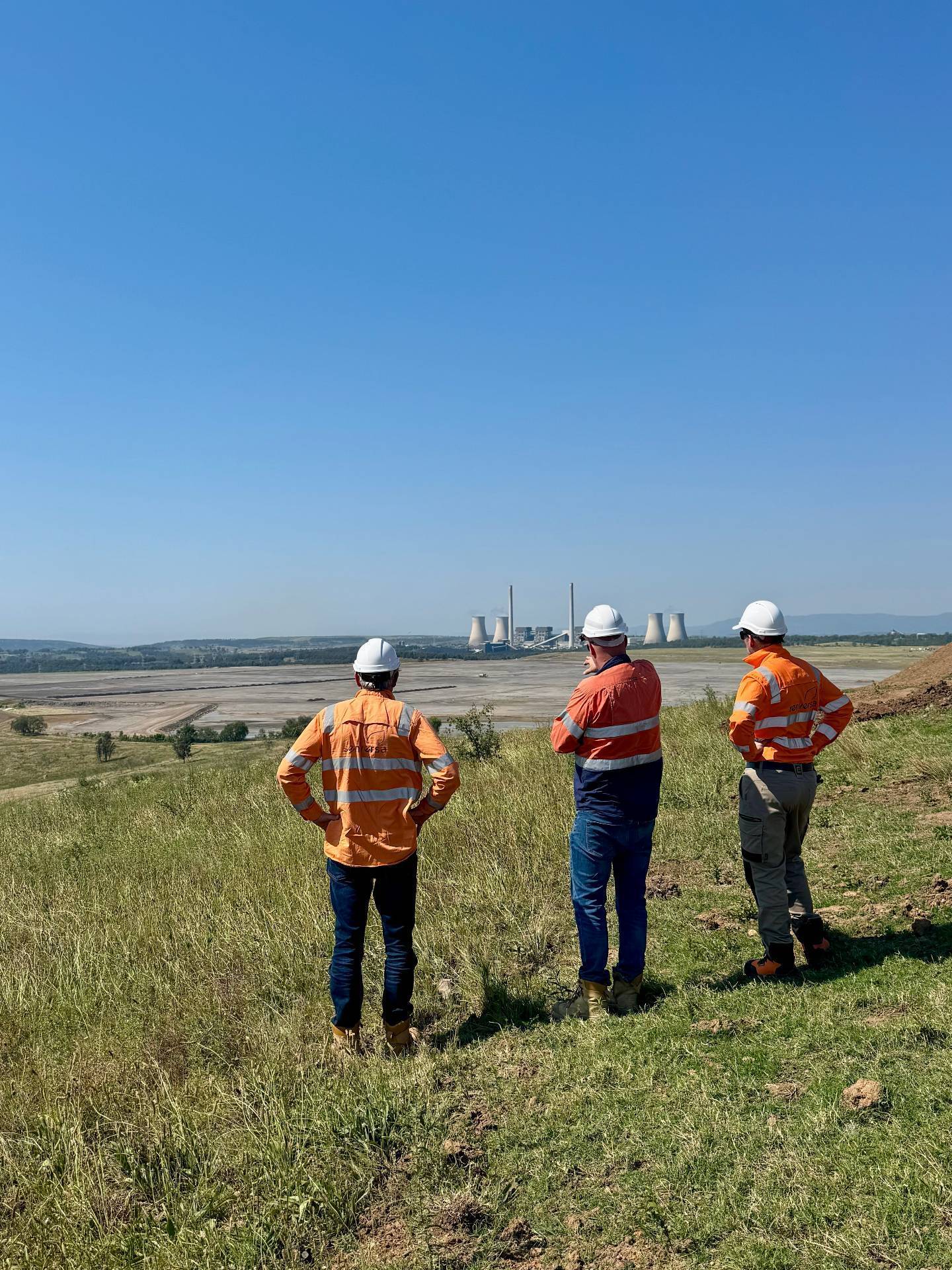
Businesses in Australia are struggling to decommission stranded or end-of-life fossil fuel assets due to inconsistent and disjointed legislative frameworks. This makes it difficult for businesses to plan their decommissioning efforts.
To prevent liabilities from falling to the Commonwealth Government, the regulator is taking steps to ensure that decommissioning decision-making and financial commitments can be achieved.
What risks do you need to consider?
Social license and reputation: How will you monitor, report, manage and control compliance e.g.: HSE, regulatory, social license risks.
Strategic asset planning: Will the future purpose of the site meet your business objectives?
Capital performance: Are you making the right investment decisions for your business across the project lifecycle?
Regulatory certainty: Do you have a strategy for navigating the regulatory and legislative requirements of the project?
Environmental management: Are you effectively managing environmental risk for your assets and ensuring the assets are as productive as they could, should or need to be?
Stakeholder expectations: Are you managing the expectations of communities, your board, investors etc.?
Data-driven decision making: Do you have your asset data in a trusted and managed state to enable effective and timely decision making?
Key services
Why partner with us on your closure and rehabilitation program
With a burst of decommissioning activity expected over the next decade, businesses need to be agile in their planning efforts as the goal posts are moving. The regulator is also encouraging businesses to adopt a proactive approach to decommissioning, which will help them stay ahead of the curve and avoid potential liabilities.
We have the skills and knowledge to guide you through the rules and regulations that affect your plant closure and recovery projects. We work with you to find the best solutions for the environmental, engineering, sustainability and data management aspects of your work.
End-to-end strategic partner: We are an employee-owned business that consists of highly technical scientists, engineers and advisors who can help you implement large scale asset transformation programs whilst complying with environmental regulations.
Augment industry leading experts into your team: We offer a flexible approach that allows us to bring # our experts into your decommissioning teams on a project or secondment basis. This allows our clients to build capability and learn from industry leading scientists, engineers, risk assessors, hydrogeologists, geologists, auditors, and sustainability professionals.
Expert regulatory and remediation support: We understand the importance of navigating environmental regulations and using the proven science-backed remediation methodologies to gain certainty on remedial targets. We also have an unsurpassed deep knowledge of state & federal environmental regulators with more than a dozen statutory environmental auditors.
Innovative sustainability led solutions: Our plant closure and recovery solution is underpinned by our commitment to innovation and sustainability. We consider innovative sustainability focussed solutions that meet your specific needs and requirements, while minimising your environmental impact.
OUR SECTORS
We operate nationally and work across sectors where environmental risk, regulation and public scrutiny are high.